10 HEALTH BENEFITS OF LOCUST BEANS

African locust beans is the popular name to many people around the world, it belongs to the plant family Mimosaceae of the Leguminosae, it is often called “Neatehtu” among the Wollof tribe in The Gambia and Senegal, “Dawa- Dawa” by the Hausa, and “Ogiri” by the Igbos of Nigeria. African locust beans have been used as a seasoning and adding flavor in cooking soups and stews. It is boiled and fermented through a process that requires continues boiling until is ready for fermentation.
It is a very popular ingredient in traditional African cuisines, it grows in long slender pods when premature, it is green and dark brown when mature. It contains a sweet pulp and seeds, the yellow pulp which contains the seeds that are used later to prepare the African locust beans after been cooked and fermented before you can consume it or used in our daily soups and stews. African locust bean is a black strong smelling seasoning which is rich in lipid, protein, and carbohydrates. It is also a good substitute to spicy or seasoning cubes and contains tannin and astringents substances found in many plants.

1. GOOD VISION
Due to the natural ingredients and nutrients found in African locust bean, therefore, consuming it will help to have a better vision especially people with eye issues like cataract, minus eyes and myopia.


2. IT CAN TREAT STROKE
Stroke is when the blood supply to the brain is suddenly interrupted which is fatal. Research shows that consuming a good amount of African locust bean will definitely help you against such sickness.


3. REDUCE CHOLESTEROL
Cholesterol which can cause some blockage within the blood vessels can lead to heart issues. Eating locust beans can help your body control the amount of cholesterol found in our bodies.


4. TREAT DIARRHEA
Because of the amount of tannin found in African locust bean, it will heal diarrhea, which is a gastrointestinal disorder with the symptoms of frequent watery bowel movements. Consuming African locust beans will help you relive diarrhea.


5. TREAT HYPERTENSION
Hypertension also referred to as high blood pressure occurs when is a long-term medical condition in which the blood pressure in the arteries is persistently increasing above the normal level. Therefore consuming a good amount will help people with hypertension.


6. HELPS CONTROL BLOOD SUGAR LEVEL
The human body requires sugar to produce enough energy but it should be stable otherwise if unstable of high will cause diabetes. Therefore consuming African locust bean will help you control blood sugar level.


8. IMPROVE DIGESTION
Eating a good amount of African locust beans can improve digestion. Good digestion will give you a healthy body as the excretion process in the body will be facilitated which will prevent constipation.


8. HEALTHY WEIGHT
Underweight is not healthy and vice-versa which is sometimes not easy to be normal weight or just gain weight for underweight. Eating African locust bean will help you gain weight in a natural way.


9. HEAL WOUNDS
As mentioned above it can be used to treat ulcer wounds internally by eating the beans as well as external wounds. The leaves when pounded can be applied on wounds and the bean can be paste on the wound to heal the wounds.

10. REDUCE FEVER
Consuming a good amount of African locust bean can reduce fever. It was traditionally used to reduce high fever which is still practiced in some rural African hucommunities and also send away evil spirits because of its unpleasant smell.
African locust beans consist of many vital nutrients which are cherished by the body. Therefore consuming healthy African locust beans will give you good health.
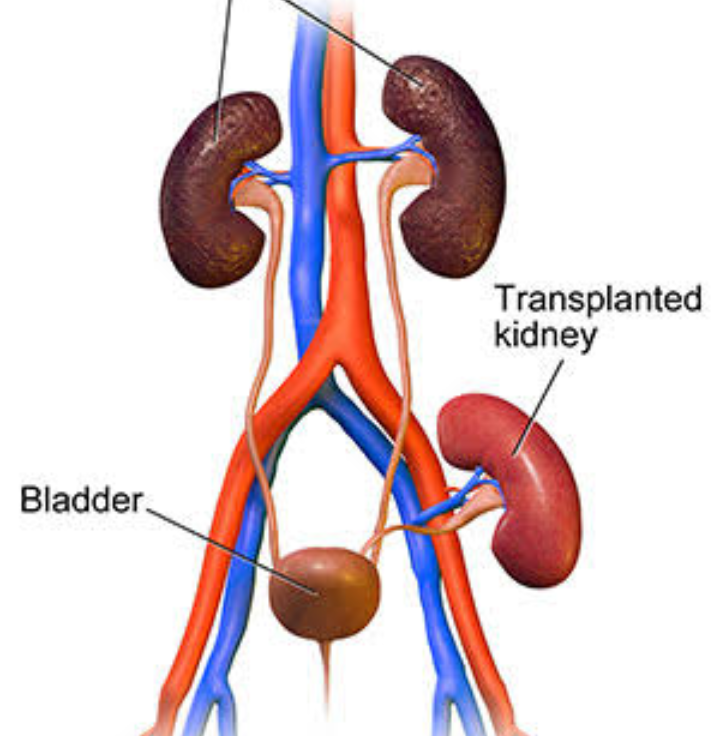
WAYS TO KEEP YOUR KIDNEYS HEALTHY

1.Don’t Overdo Certain Medications
NSAIDs are nonsteroidal anti-inflammatory drugs, like ibuprofen and naproxen. They can damage your kidneys if you take too many at once or take them too often. And using proton pump inhibitors (PPIs) for an ulcer or GERD for a long time can raise your chances of chronic kidney disease. You should only take them if your doctor says you need them.

2.Take Care With Antibiotic
These bacteria-fighting drugs can damage your kidneys if you use them too often. It can happen even if you’re perfectly healthy, though it’s more serious if your kidneys don’t work as well as they should. Some types, like penicillin, sulfonamides, and cephalosporins, are more likely to cause problems.

3. Eat Healthy
Your kidneys process everything you eat or drink, including anything that’s bad for you, like lots of fat, salt, and sugar. Over time, a bad diet can lead to high blood pressure, obesity, diabetes, and other conditions that are hard on your kidneys. A healthy diet has lots of vegetables, fruits, and whole grains, and few processed foods.

4. Skip Herbal Supplements
Supplement makers don’t have to prove their products are safe, and some can damage your kidneys. Those can be especially harmful if you have kidney disease because they can make the condition worse or affect how some medicines work. Talk with your doctor before trying any herbal supplement.

5. Watch Your Salt
This mineral affects people in different ways. For some, it seems to raise the amount of protein in their urine. That can harm your kidneys or make kidney disease worse if you already have it. Lots of salt also raises your chances of high blood pressure, a typical cause of kidney disease, and kidney stones, which can be very painful and possibly cause damage without treatment.

6. Drink Enough Water
Water helps get important nutrients to your kidneys and move waste to your bladder in the form of urine. If you don’t drink enough, the tiny filters inside your kidneys can get stopped up and lead to kidney stones and infections. Even mild dehydration can damage your kidneys if it happens often enough. Four to six cups a day is typically about right, but you might need more if you’re sick or out in the heat.

7. Exercise
Just like a healthy diet, this helps prevent conditions like diabetes and heart disease that can lead to kidney damage. But don’t try to go from couch potato to gym rat in a day. Too much exercise can also damage your kidneys if you’re not ready for it. Work your way up to 30 to 60 minutes at least five days a week. Start slow if you haven’t done it in a while, and check with your doctor first if you have health issues.

8. Get Screened
It’s important to know your risk for kidney disease. It’s more likely if you or close relatives have heart disease, high blood pressure, diabetes, or a family history of kidney failure. In these cases, your doctor might suggest specific kidney tests as part of your regular checkup. The earlier you catch it, the easier it is to treat and sometimes even stop.

9. Be Careful With Alcohol
If you’re healthy, a drink or two isn’t likely to hurt your kidneys. But binge drinking (having more than four drinks in less than 2 hours) can cause sudden, serious damage and possibly lead to long-term problems. And alcohol often can dehydrate you, which can keep your kidneys from working well and lead to weight gain, liver disease, high blood pressure, and other conditions that put more stress on them.

10. Quit Smoking
Smoking raises your risk of kidney cancer and damages blood vessels, which affects your kidneys by slowing blood flow to them. Plus, smoking can affect certain drugs that treat high blood pressure. This is serious because uncontrolled high blood pressure is a leading cause of kidney disease.

11. Manage Health Problems
The two most common conditions that affect your kidneys are diabetes and high blood pressure. A balanced diet and regular exercise can help keep both under control. With diabetes, it’s also important to keep a close eye on your blood sugar and take insulin when you need it. For high blood pressure, check your numbers regularly and take all medicines exactly as your doctor prescribes them.


STUDY LINKS FRUIT JUICE CONSUMPTION TO HIGHER NUTRIENT INTAKE IN KIDS

New research has shown that consumption of 100 per cent fruit juice by children aged two to 18 years is closely linked to improved nutrient adequacy during their formative years.

Drinking 100 per cent fruit juices play an important role in the diets of young children by supplying them with the important nutrients during these crucial years of growth and development.

The research found that young children who regularly consumed 100 per cent fruit juice at a young age went on to eat more fruits and vegetables and were more likely to develop healthier diets and eating habits in their teenage years than their peers who drank much less fruit juice when they were younger.

The study titled ‘A longitudinal study of fruit juice consumption during the preschool years and subsequent diet quality and BMI’ was carried out by Boston University and published online at BMC Nutrition in May 2020 by Lynn L. Moore and colleagues.

The results of the study encouraged the inclusion of 100 per cent fruit juice as part of an overall balanced diet, whilst stressing that contrary to previous research, regular consumption of fruit juices did not put children at a greater risk of being overweight in later years.

The study also mentioned the required daily quantity, calling out that it is also important for pre-school and nursery age children to drink at least one and a half cups of 100 per cent pure fruit juice every day.

The study stated that 100 per cent fruit juice can help meet recommended daily goals for fruit intake because it is a nutrient-dense drink that provides vitamins, minerals (folic acid, thiamine and magnesium) and beneficial plant nutrients like polyphenols.

Lead researcher, Dr Lynn Moore from Boston University, U.S.A., said, “Fruit consumption, particularly whole fruit consumption, has many health benefits throughout one’s lifespan. Avoiding fruit juice during these early formative years may have unintended effects on evolving dietary behaviours.

Fruit juice drinking in young children may promote better diet quality and higher intakes of whole fruit,” he said. He added that the benefits associated with moderate intake of 100 per cent fruit juice were not accompanied by any adverse effects on childhood weight.

7 REASONS TO EAT SUGARCANE

Sugarcane is loaded with , protein, vitamins (A, B-complex and C) and also contains good amounts of minerals like phosphorus, calcium, potassium, zinc and iron. In its unprocessed form, it is also a good source of phenolic and flavonoid antioxidants. The juice is alkaline in nature and this is because of the high concentration of calcium, magnesium, potassium, iron and manganese. Thus, sugarcane juice helps create an alkaline environment in the body that prevents diseases like cancer. It is processed to make cane sugar, brown sugar, and molasses. It is a major source of most of the table sugar in the world. It can also be used to make rum and in Brazil, it is fermented and used to make a liquor called cachaca.

Here are some reasons to eat sugarcane:

1. It gives you a shot of instant energy It is the best way to energise yourself and ensure you do not experience dehydration. The simple sugars in the juice are easily absorbed by the body and are used to replenish sugar levels.

2. It enhances liver function Sugarcane juice is said to be one best natural treatments for liver-related ailments such as jaundice. Alkaline in nature, sugarcane juice helps maintain the electrolyte balance in the body.

3. It can help the body fight cancer This might come as a surprise to you but sugarcane juice can also be a comprehensive deterrent to fatal diseases like cancer, especially prostate and breast cancer. Recent research has discovered that the presence of flavonoids in sugarcane inhibits the multiplication of cancerous cells in the mammary glands, thus reducing risks of breast cancer.

4. It eases the digestive system People suffering from digestive distress would do well to include sugarcane juice in their diet. The potassium in sugarcane juice balances the pH levels in the stomach, facilitates the secretion of digestive juices and keeps the system on track. It also helps prevent stomach infections.

5. It is helpful for people with diabetes The sugar content in sugarcane juice may make diabetics wary of consuming this juice. But in moderation, sugarcane juice can benefit diabetics – the natural sugar has a low glycemic index, so it prevents spikes in blood glucose levels. Diabetics can still talk to their doctors in case they have doubts about incorporating it into their diets.

6. It maintains kidney health Being a natural low-cholesterol, low-sodium food with no saturated fats, sugarcane juice helps keeping the kidneys in top shape.

7. It alleviates pain associated with STDs & UTIs Consumed in a diluted form with lime juice and coconut water, sugarcane juice can help reduce the burning sensation associated with sexually transmitted diseases, urinary tract infections, kidney stones and prostatitu.

THE WORLD TB DAY

The World TB Day is held on March 24 every year. It was set to coincide with the day the cure for tuberculosis was found by Doctor Robert Koch in 1882. Before the cure, TB had been claiming many lives across the world. The World Health Organization declared World TB Day to raise awareness that despite the presence of a cure, Tuberculosis is endemic in some parts of the world. WHO addresses a different theme on every World TB Day. The theme in 2015 was ‘Gear up to end TB’ while the main topic in 2016 was ‘Unite to End TB’. Event activities that take on this day include award ceremonies to recognize efforts of dedicated people in the eradication of TB, charity activities geared to raise funds and facilitate control of Tuberculosis, marches, and art exhibitions in an attempt to increase world awareness.

The Journey Begins

Thanks for joining me!

6 Foods That Are Good for Your Eyes

post

Sweet Potatoes
Orange-colored fruits and vegetables — like sweet potatoes, carrots, cantaloupe, mangos, and apricots — are high in beta-carotene, a form of vitamin A that helps with night vision, your eyes’ ability to adjust to darkness. One sweet potato also has more than half the vitamin C you need in a day and a little vitamin E

Beans and Legumes

vegetarian, lowfat, high-fiber option to help keep your vision sharp at night and slow? Chickpeas are also high in zinc, as are black-eyed peas, kidney beans, and lentils. A can of baked beans will do the too.

Eggs
It’s a great package deal: The zinc in an egg will help your body use the lutein and zeaxanthin from its yolk. The yellow-orange color of these compounds blocks harmful blue light from damaging your retina. They help boost the amount of protective pigment in the macula, the part of your eye that controls central vision.

Lean Meat and Poultry
Zinc brings vitamin A from your liver to your retina, where it’s used to make the protective pigment melanin. Oysters have more zinc per serving than any other food, but you don’t have to be a shellfish lover to get enough: Beef, pork, and chicken (both dark and breast meat) are all good sources.

Dark, Leafy Greens
Kale, spinach, and collard greens, for example, are rich in both vitamins C and E. They also have the carotenoids lutein and zeaxanthin. These plant-based forms of vitamin A lower your risk of long-term eye diseases, including AMD and cataracts. Most people who eat Western diets don’t get enough of them.

Salmon
Your retinas need two types of omega-3 fatty acids to work right: DHA and EPA. You can find both in fatty fish, such as salmon, tuna, and trout, as well as other seafood. Omega-3s also seem to protect your eyes from AMD and glaucoma. Low levels of these fatty acids have been linked to dry eyes.

Design a site like this with WordPress.com
Get started